
J1284N Oo Yin Hmue
Myanmar, Southeast Asia
The Situation
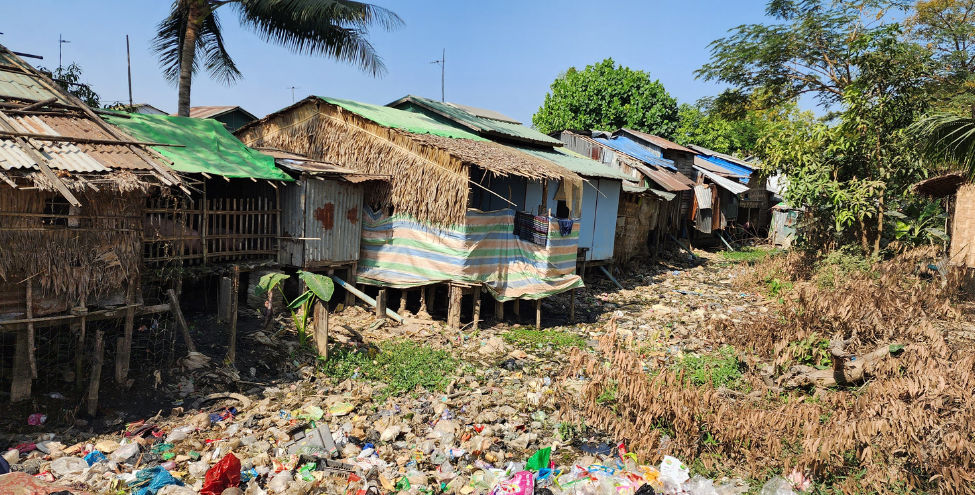
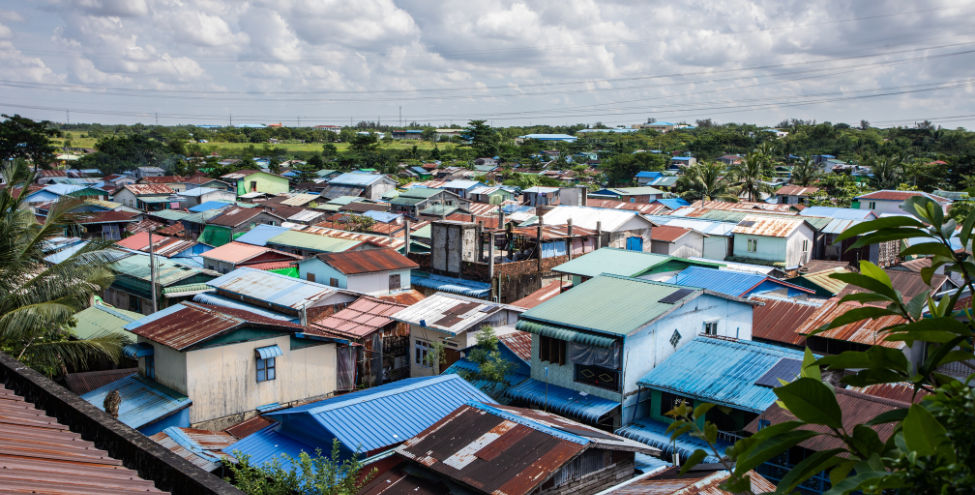
The current absence of affordable, quality childcare in informal settlements of Yangon, Myanmar, is setting children for a lifetime of disadvantage. The first five years of a child’s life is a period of rapid brain development, where about 90% of the human brain structure takes shape. Which makes it a critical window to intervene to promote healthy growth and development.
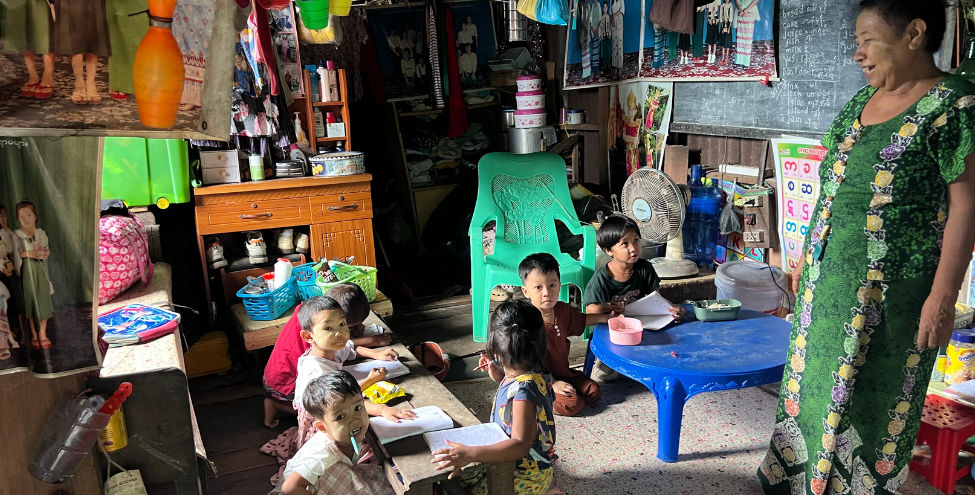
Phayar Kone Village Tract, located in peri-urban Thanlyin Township in Yangon Region, is home to many families who have been pushed to the margins by conflict, displacement, economic hardship, natural disasters, and rising urban poverty. Many residents are internally displaced or migrant families who have moved from different parts of Myanmar in search of safety, work, and stability. For working parents in this community, informal home-based preschools are often the only childcare option available. These preschools play a vital role in helping parents, especially mothers, earn an income while ensuring their young children are cared for during the day. However, despite their importance, these preschools operate with little support, limited resources, and no formal registration, oversight, or structured early childhood curriculum. Most of these preschools care for 15 to 30 children in small domestic spaces of around 15 by 15 feet, resulting in significant overcrowding and the absence of designated areas for learning, rest, or play. Many preschools lack basic learning materials, proper ventilation, safe storage for medicine, and adequate hygiene and safety measures.
The women running these preschools are already trusted caregivers in their communities. They have local knowledge and experience in caring for children, but most have had little opportunity to receive in-depth training in child development and early childhood education. As a result, children attending these services have limited opportunities for movement, play, and exploration, experiences that are essential for their development in the early years.
The Objectives
This Oo Yin Hmue (Gardener) project adds value starting from the reality that these home-based, informal preschools already exist in these peri-urban, marginalized areas. Families are already using them, and children are already spending their most important developmental years there, whether we intervene or not. So instead of waiting for some ideal, formal system to reach these communities (which realistically might take years, if it happens at all), we’re saying, there is already a care and learning environment, so let’s make it better for the children in this community. That means improving the everyday experiences and developmental opportunities of 118 children during the most critical years of their lives.
- The Project will directly support 6 home-based, informal preschools through hands-on, practical training in child development, play-based learning, health and safety, positive guidance, child protection, financial and center management, women caregivers will gain the skills and confidence needed to create nurturing, stimulating environments where young children can thrive.
- Each women caregiver will develop a tailored Center Improvement Plan that responds to the unique needs of their preschool. With targeted small grants, they will be able to upgrade learning spaces, improve materials, and strengthen hygiene and safety standards, creating immediate, visible improvements for children and families.
- To drive lasting impact, the project provides continuous coaching, mentoring, refresher training, and opportunities for peer learning. This one-on-one support will ensure that caregivers are not only equipped to make changes, but are empowered to maintain and grow high-quality, safe, and nurturing preschool services long after the project ends.
Support this Project
Ready to make a difference? Choose your preferred payment method (Credit Card, PayPal, Check, or Direct Deposit) on our secure global donation portal.
Support Donate to J1284NOpens securely in a new tab.